
How Illinois Courts Handle Criminal Cases
Illinois uses one general-jurisdiction Circuit Court system for felony, misdemeanor, DUI, traffic, ordinance, and related criminal matters. Local divisions and case codes sort the work, but they do not create separate statewide trial courts. A State's Attorney files the prosecution in the proper county. The circuit clerk then maintains the case number, pleadings, orders, docket events, financial entries, judgment, and certified disposition. Appeals ordinarily move to one of five appellate districts. The Illinois Supreme Court is the court of last resort.
The court file and the statewide criminal history answer different questions. A circuit file shows what was charged, argued, ordered, and resolved in that case. The Illinois State Police Bureau of Identification compiles reportable events into a criminal-history record after agencies send arrest and disposition data. A CHIRP conviction response does not replace the clerk's pleadings or certified judgment. Likewise, a current court docket is not a complete statewide rap sheet. Compare the source documents when an outcome matters.
Illinois Court Cases Have 102 Keepers
Illinois has 25 judicial circuits, but record custody remains county based. Seven circuits serve one county, while 18 combine several counties. Each of the 102 counties still elects its own circuit clerk. That structure explains why the same state may present many portal designs, search rules, copy fees, and remote-access limits. A municipal prosecution usually remains a Circuit Court matter even when a city lawyer or local courthouse division is involved.
The Illinois Courts circuit-clerk directory is the official statewide routing source. Start with the filing county, not merely the place of arrest. The arrest agency may sit in one place while venue, later transfer, or a related case places the court file elsewhere. If the county is unknown, an arrest report, bond document, notice to appear, or old case number can supply the clue.
Illinois court route: Filing county › Circuit clerk › Electronic docket or public terminal › Filed documents › Certified disposition.
Running an Illinois Court Case Search
No single public tool searches every Illinois circuit criminal docket. Use the county clerk for trial cases and re:SearchIL for the statewide material it actually covers. The search works best when a case number is available. A party-name search can be widened or narrowed with a filing date, court location, and case category.
- Identify the filing county and open its official circuit-clerk site.
- Search the exact case number first. If it is unknown, use the defendant's name and a likely filing year.
- Check criminal codes such as CF and CM. Include DT, TR, or OV when the conduct may have been filed under those categories.
- Read each count and the latest docket event. A closed status alone does not reveal the outcome.
- Request filed documents or a certified disposition from the clerk when a summary is not enough.
The official re:SearchIL search interface illustrates the statewide controls used for eligible records.
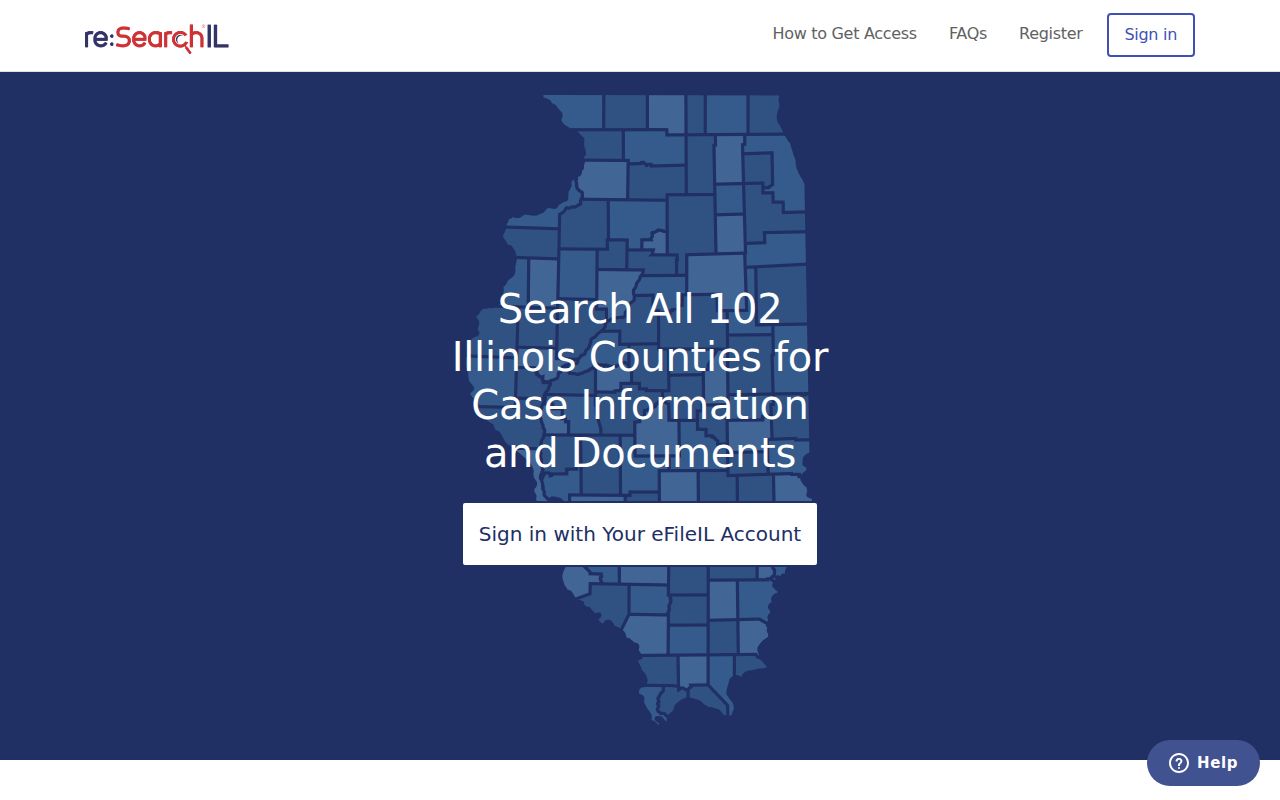
The interface supports case and party paths, yet the selected court and access level still determine what a user can see.
| Field Label | Type | Required | Notes |
|---|---|---|---|
| Search by Case / Party | Tab or radio | Yes | Selects the search path. |
| Case Number | Text | Case mode | Use the court's exact format. |
| Last / Business Name | Text | Party mode | Enter the party surname or business name. |
| First / Middle Name | Text | No | Narrows a common-name result set. |
| Court / Location | Dropdown | Varies | Coverage depends on the chosen court. |
| Case Category / Type | Dropdown | No | Filters criminal or appeal categories when offered. |
| Filed Date From / To | Date | No | Limits results to a likely period. |
re:SearchIL Is Not Every Court Case
eFileIL and re:SearchIL form statewide court infrastructure, but statewide infrastructure is not the same as a complete public criminal index. Since May 1, 2025, the public can remotely review non-confidential Illinois Supreme Court and appellate documents filed on or after April 1, 2025 without a fee. That change created a useful statewide layer for reviewing courts. It did not place every circuit-court criminal docket and document online.
The Illinois Courts public-access announcement defines the current reviewing-court scope.
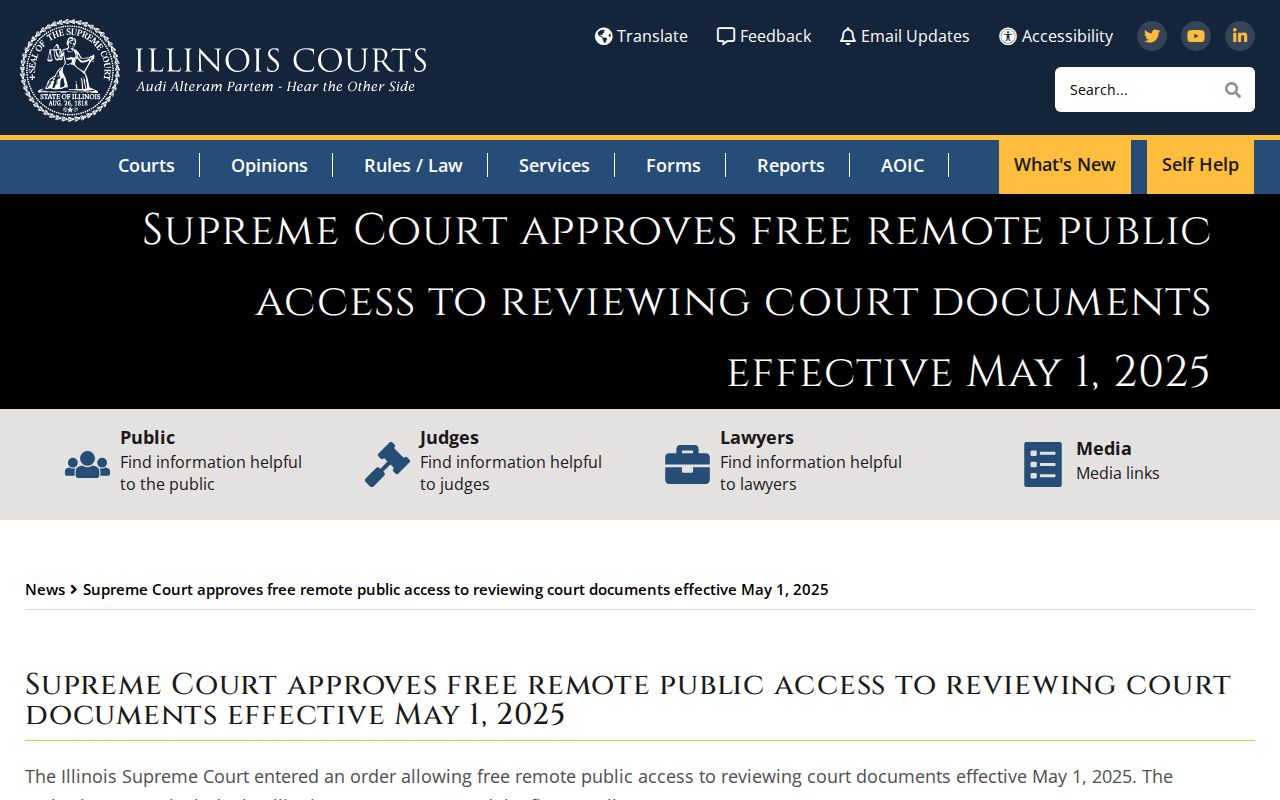
The coverage dates and reviewing-court limit explain why a trial case may be absent even when its later appeal appears.
The statewide eFileIL service overview also places e-filing and document research in their distinct roles.
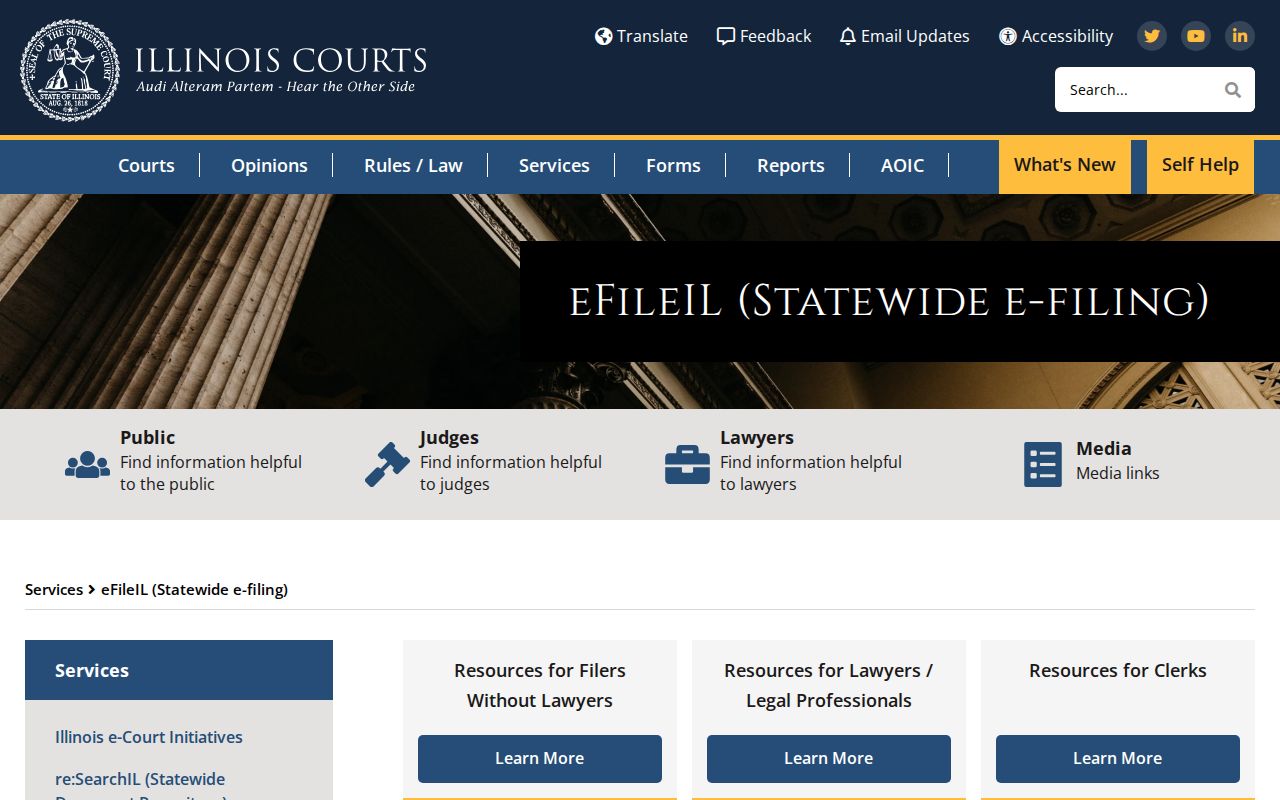
Electronic filing helps courts receive documents, while public viewing still follows court rules, confidentiality limits, and each system's coverage.
Note: A re:SearchIL no-result does not prove that no Illinois circuit criminal case exists.
What an Illinois Case File Contains
An Illinois criminal case file is organized around a county, circuit, case number, and series of docket events. One case may contain several counts with different outcomes. A charge can be amended, dismissed, resolved by supervision, or end in conviction. Read the final order and sentence count by count. Remote document images vary, and personal identifiers, victim information, juvenile material, and sealed records are not ordinary public fields.
| Case Number and Court | Identifies the filing year, case code, sequence, county, and court division. |
|---|---|
| Charging Documents | Lists the alleged offenses, statutes, classes, and filed counts. |
| Docket Entries | Chronicles complaints, motions, discovery, pleas, hearings, warrants, findings, and orders. |
| Parties and Counsel | Shows the State of Illinois, the defendant display, prosecutors, and defense counsel where public. |
| Disposition | Records the result for each count, such as conviction, dismissal, nolle prosequi, or supervision. |
| Sentence and Judgment | States custody, probation, fines, assessments, restitution, and other terms ordered by the court. |
Illinois Criminal Case Codes
Case codes provide a fast clue about the docket searched. They describe the filing category, not the final result. A person arrested on one alleged offense may face a different filed charge after the State's Attorney reviews the evidence. Search related codes if the first query produces no match, especially when the original event involved driving, traffic, or a local ordinance.
- CF
- A felony criminal case filed in Circuit Court.
- CM
- A misdemeanor criminal case filed in Circuit Court.
- DT
- A driving-under-the-influence case category.
- TR
- A traffic case, which may connect to a criminal event.
- OV
- An ordinance-violation matter prosecuted under a local rule.
- Nolle prosequi
- A prosecutor's formal decision not to pursue a charge at that time. It does not itself establish factual innocence.
Illinois docket language can also include mittimus, the court order directing custody or carrying out a sentence. Supervision has its own legal effect and should not be read as simply another word for conviction.
Illinois Criminal Case Stages
A criminal file grows as the case moves. An arrest, citation, or complaint creates the first trail. In an eligible detention case, Illinois law requires an appearance without needless delay and generally within 48 hours. The initial hearing addresses counsel, charges, and release or detention. Illinois replaced cash bail with findings on pretrial release and detention, so current docket entries may look different from older bond records.
Felony charging may proceed by information or indictment. A misdemeanor commonly proceeds by complaint. Arraignment records the plea. Motions, discovery, status dates, and possible specialty-court evaluation follow. The case then may end through a negotiated plea, bench trial, jury trial, dismissal, or another lawful disposition. Sentencing creates the judgment used for an ordinary appeal.
Case flow: Charges Filed › Arraignment › Pretrial › Plea or Trial › Disposition › Sentencing.
Illinois Court Dockets Are Not Certificates
An online docket is a finding aid. It may contain a warning that the index is not the official record. For example, an electronic entry can summarize an order without showing the signed document, and a recent event may appear after a delay. County clerks set local copy, search, and certification schedules. No single current price applies to every Illinois county criminal copy.
The official county online-case explanation provides a representative example of these limits.
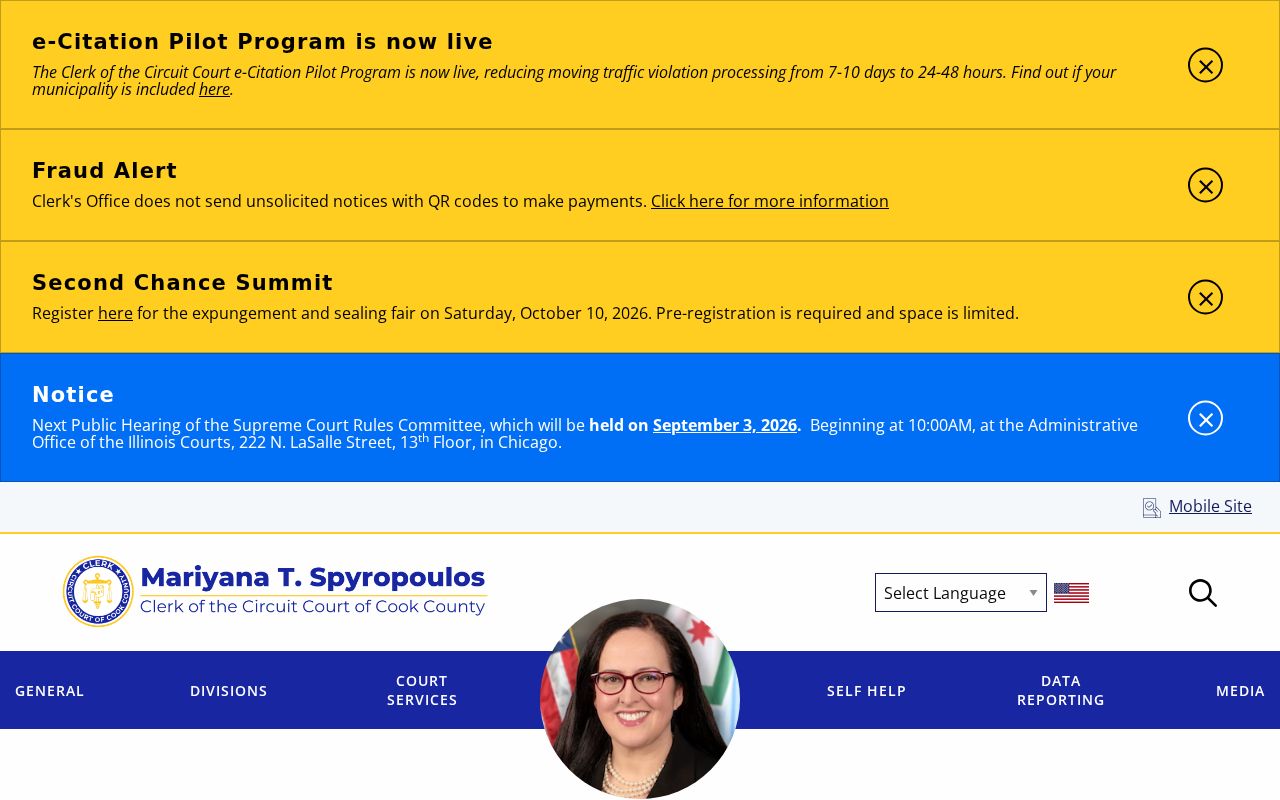
The county pattern shows why electronic case data should lead back to the circuit clerk for filed or certified material.
Ask for a plain copy when the document is only for reference. Ask for a certified copy or certified disposition when proof of the court's action is needed. Give the clerk every known case number and charge. Older Illinois court cases may require an archive, microfilm, or offsite search.
When an Illinois Court Case Is Missing
A missing online result has several possible causes. The filing may be too new, the name may be indexed differently, or the case may sit under a related code. Remote criminal access can also be narrower than terminal access. Sealed cases, juvenile matters, and documents marked confidential under Illinois Supreme Court Rule 8 are not ordinary public results.
The Illinois Supreme Court Rules source is the lead authority for court-record accessibility and confidentiality.
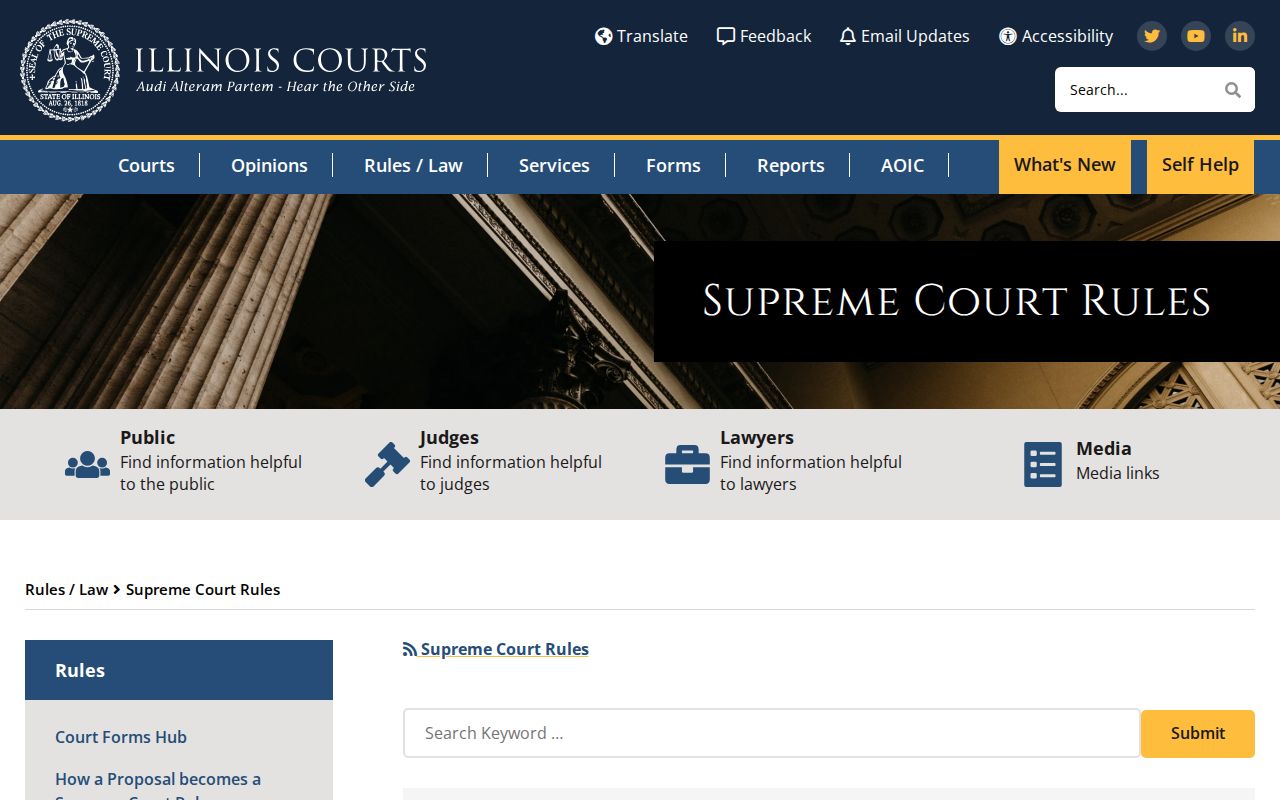
Rule-based limits explain why public access to a case can differ from public remote access to each document.
- Confirm the filing county and check the county's official clerk portal.
- Try the exact case number, name variants, filing year, and nearby case codes.
- Wait several days and check again if the event is recent.
- Use a courthouse public terminal or ask the clerk to search when remote access is restricted.
- Request a certified disposition when a state history lacks the final court outcome.
Note: Illinois FOIA does not override a sealing order, juvenile confidentiality, or the courts' own access rules.
County Sources for Illinois Case Records
The complete trial-level file stays with the circuit clerk in the county where the case was filed. That office can confirm whether a result belongs to the right person, identify archive procedures, explain its copy options, and issue a certified disposition. This county file is the source for pleadings, orders, docket history, and sentencing documents. The Illinois State Police repository instead compiles reportable criminal-history events. Neither source replaces the other.
Open the directory of all 102 Illinois counties to find the correct local criminal-record route. Begin with the county homepage when its portal rules or resolved page slugs are unknown. For federal prosecutions, use the relevant federal district clerk and PACER rather than an Illinois circuit clerk.